
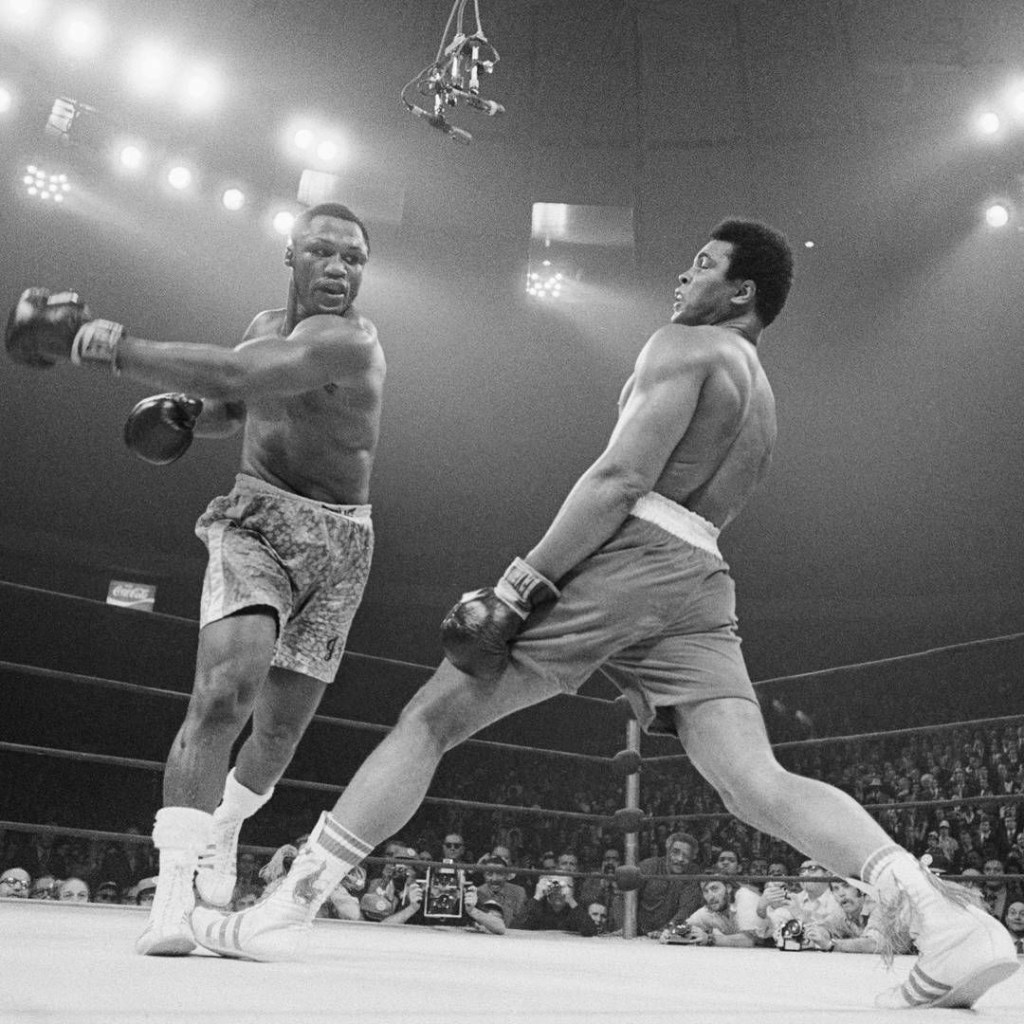
Footwork in fighting is often considered the foundation of a fighter’s skill set because it underpins every aspect of combat effectiveness, serving as a critical indicator of a fighter’s overall ability, strategy, and adaptability. At its core, footwork dictates a fighter’s positioning, balance, and movement, which directly influence their capacity to attack, defend, and control the dynamics of a fight.
First, footwork reflects a fighter’s ability to control distance and angles. Skilled footwork allows a fighter to maintain an optimal range for their strikes while avoiding or mitigating an opponent’s attacks. For example, a boxer with precise footwork, like Muhammad Ali, could float around the ring, staying just out of reach while setting up counterattacks. This ability to dictate the spatial relationship between fighters demonstrates tactical awareness and strategic intent, as poor footwork often leaves a fighter vulnerable to being cornered or overwhelmed.
Second, footwork is a direct indicator of balance and stability. A fighter who moves fluidly without stumbling or crossing their feet demonstrates physical coordination and control. Balance is essential for generating power in strikes, as force is derived from the ground up. In fights like Muay Thai or MMA, where kicks, knees, and takedowns are prevalent, improper foot placement can lead to being swept or knocked down. Thus, footwork reveals a fighter’s technical proficiency and a comprehensive understanding of attribute-integration and their interdependencies.
Third, footwork demonstrates adaptability and mental acuity. In dynamic combat situations, a fighter must adjust their positioning in response to an opponent’s movements, feints, or attacks. Quick, precise footwork allows a fighter to pivot, zone, sidestep, or circle away from danger, reflecting their ability to read and react to real time cues. This adaptability often separates elite fighters from novices, as seen in fighters like Vasyl Lomachenko, whose intricate footwork creates deceptive angles that confuse opponents.
Finally, footwork indicates discipline and training quality. Mastering footwork requires hours of practice, drilling pivots, shuffles, and weight transferring. A fighter with polished footwork likely possesses a strong work ethic and attention to detail, traits that extend to other aspects of their game, such as timing, endurance, and mental toughness.
In essence, footwork is a window into a fighter’s skill, strategy, and preparation. It governs their ability to control the fight’s pace, positioning, and outcome, making it a fundamental indicator of their overall prowess in combat.