
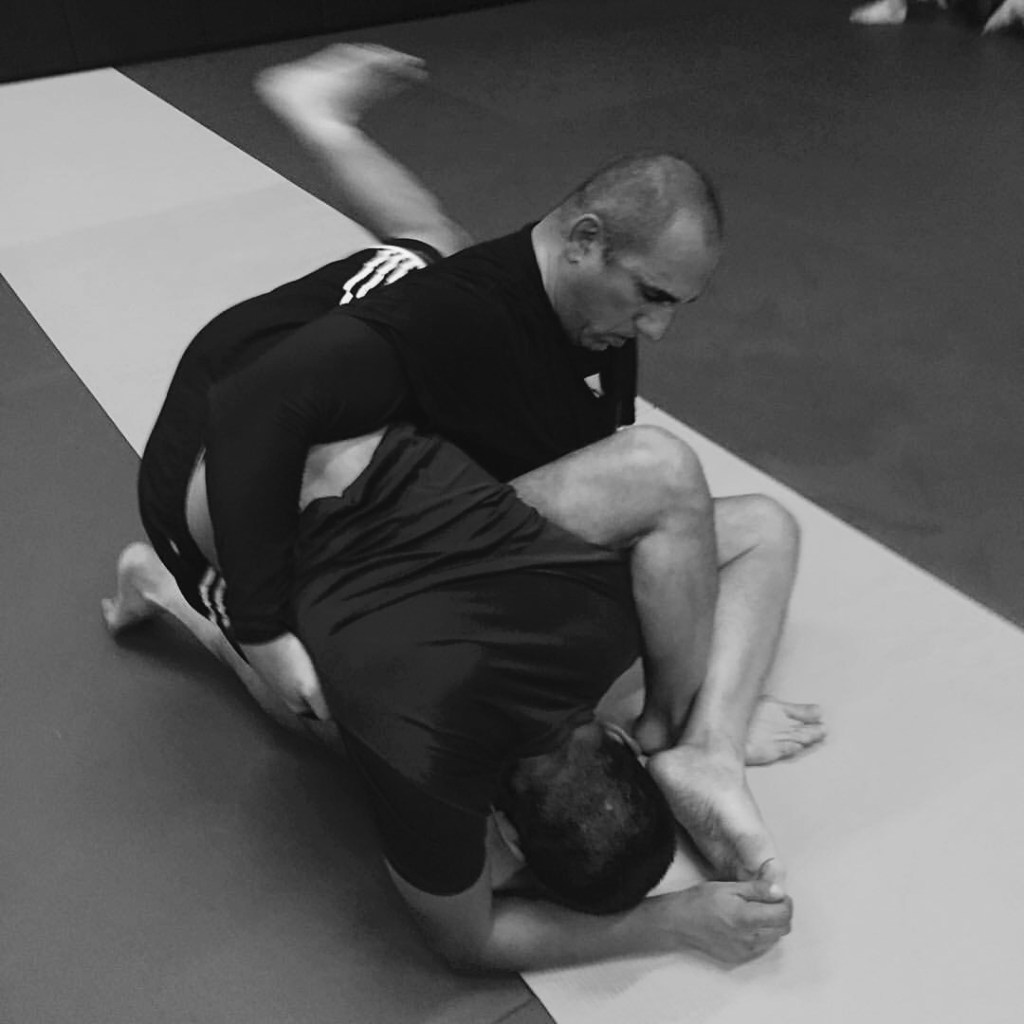
Training for Brazilian Jiu-Jitsu is a process that takes time and sacrifice. It is easy to learn techniques, but it is hard to apply them under full resistance. This is because, potentially viable techniques are attribute-dependent, and most attribute-dependent moves as in any form of learning requires several major stages called: Differentiation, integration, and generalization.
All three stages require numerous other physical and psychological developments involving neuroplasticity which in itself involves adapting, organizing, rewiring, and the remodeling of the motor pathways. Each of these further branches out to other domains during the learning and development——in this case we are of course talking about Brazilian jiu-jitsu, but it can be almost any form of physical skills.
It’s important to consider that isolating moves and positions allow students to turbocharge the learning stages and all the subsidiary components involved in jiu-jitsu. The evolutionary process in jiu-Jitsu is not a mindless get-tough physical learning, but a unique learning framework that are designed to connect you with a logical sequence of moves in order to awaken your deep instinctual propensities for survival, and in developing a sense of determined calmness in your God-given (some prefer evolutionarily-given) capacity for a sense of justice (wise pressure and damage) and rational problem-solving. Each move engenders and triggers different human impulses. New students (there are exceptions) most often struggle with controlling this part of their emotions and tend to confuse the uncontrolled execution of moves with competency and normal self-defense attitude.
There are many people who have had bad experiences in life and during the learning process in jiu-jitsu training the old baggage keeps interfering with the new learning objectives, and that’s why initially their training often keeps getting absorbed into an uncontrollable sort of hyperactive vortex of past emotions. However, eventually as they maintain their trainings we have seen so many people rid themselves of those past background noises. This is why it is not good to compare the rate of your jiu-jitsu progress with others because each person has had very different experiences in life. Your job on the mats are to focus on yourself and the obstacles you need to overcome while you are physically and psychologically interacting with your teammates. Training environment should be like a fun laboratory that thrives on internal and external development and the problem-solving of your jiu-jitsu.
It’s a great journey because it is real, and naturally it can have its setbacks, its own tests and trials and frustrations, but its immediate as well as its long term rewards overshadow everything else. It’s a great culture to be active in.