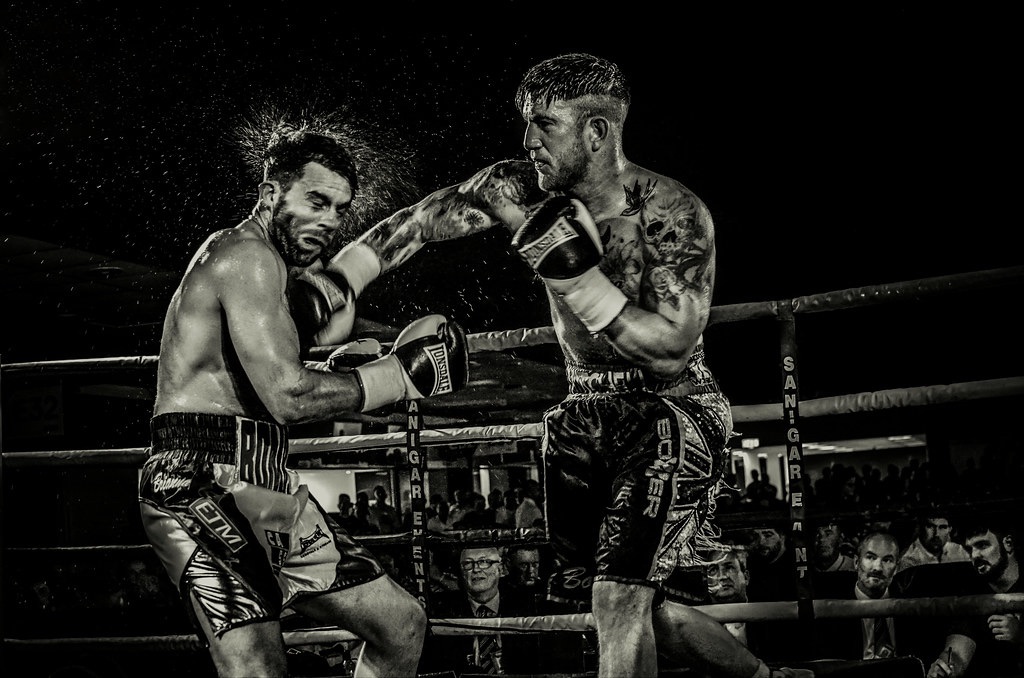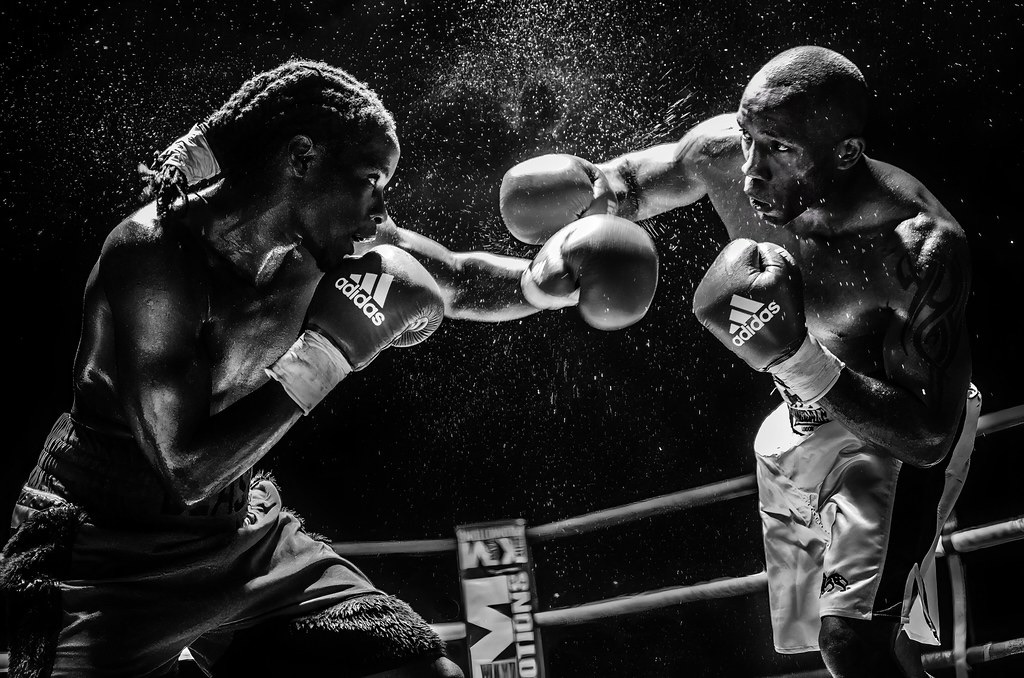
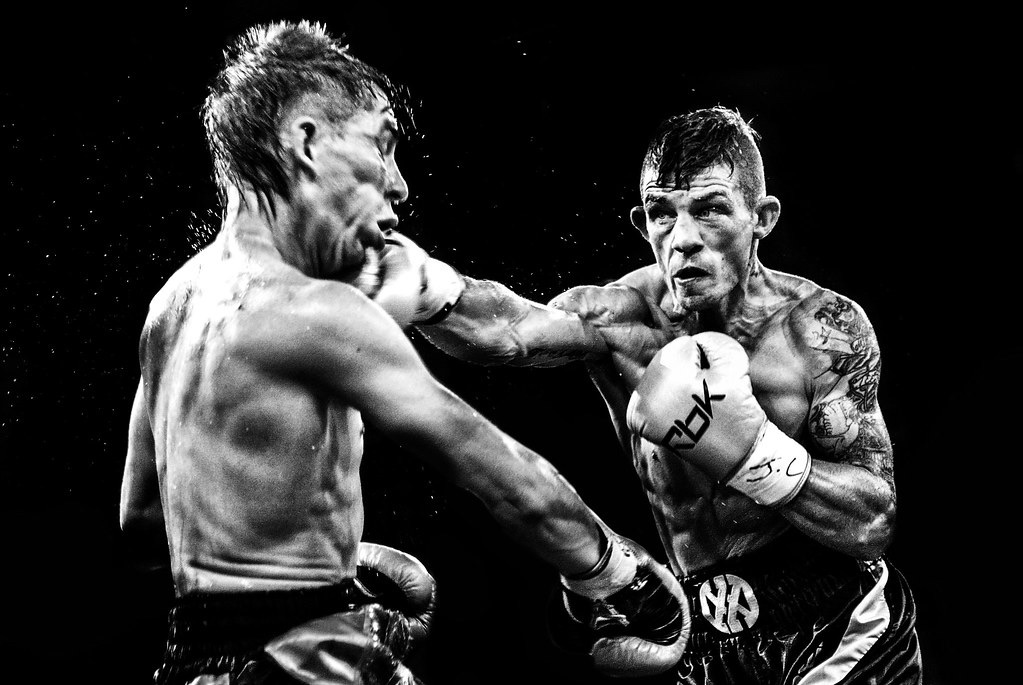
In the modern fight world, cadence refers to the rhythm, timing, and flow of movement and techniques during training or combat. It is the orchestrated tempo that governs how a fighter executes strikes, defends, transitions, or moves in a fight, blending physical actions with strategic intent. Cadence is not just about speed but the deliberate pacing and synchronization of techniques to maximize efficiency, outsmart opponents, and maintain control in a fight arena (ring, octagon, cage, street, etc)
Cadence in a fight is about establishing a rhythm that feels instinctive while disrupting the opponent’s flow. For example, a fighter might use consistent jabs to set up a knockout cross, then break the pattern with a sudden low kick. Modern fighters like Israel Adesanya showcase cadence by blending measured footwork with explosive combinations, keeping opponents off-balance. This rhythmic manipulation creates openings for attacks or counters, as opponents struggle to predict shifts in tempo.
Psychologically, cadence allows fighters to dictate the fight’s pace. Conor McGregor’s early UFC career demonstrated this, using taunting pauses and rapid bursts to unnerve opponents, controlling both the emotional and physical rhythm. Similarly, Dominick Cruz’s elusive footwork disrupts opponents’ timing, exhausting them through unpredictable cadence shifts via feints and stance changes.
Athletic development for cadence involves targeted training to enhance timing and rhythm. Sparring, pad work, and shadowboxing build muscle memory, enabling seamless transitions between striking, grappling, and wrestling. High-intensity interval training (HIIT) and agility drills, common in fight camps, sharpen a fighter’s ability to switch tempos fluidly, crucial for integrating disciplines like Brazilian Jiu-Jitsu and kickboxing. Sports science emphasizes proprioception and reaction-time exercises, such as plyometrics or reflex drills, to fine-tune a fighter’s rhythmic precision under pressure.
Cadence is dynamic, adapting to the opponent’s style, fight context, and strategic goals. A mismatch in cadence—such as a methodical grappler facing a frenetic striker—can decide the fight’s outcome. Modern Fight training programs, backed by performance analytics, prioritize cadence development through data-driven coaching, analyzing fighters’ rhythms to optimize performance. Ultimately, mastering cadence in the fight world is about harmonizing athleticism, mental acuity, and strategy to create an unpredictable, dynamic rhythm that outpaces the opponent’s tempo.