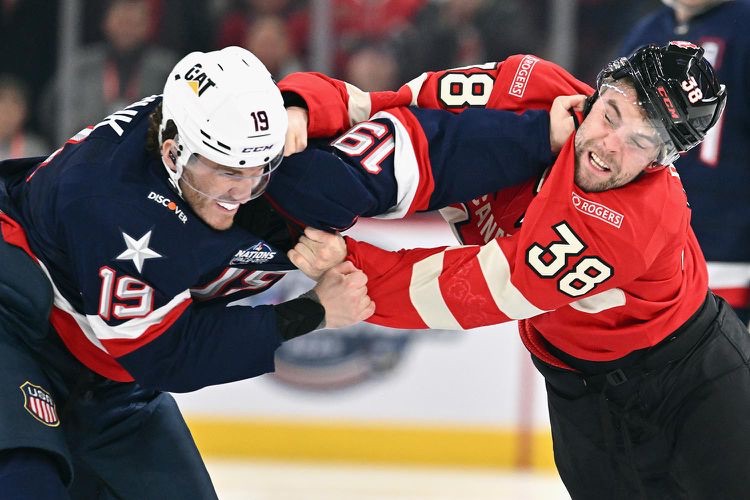
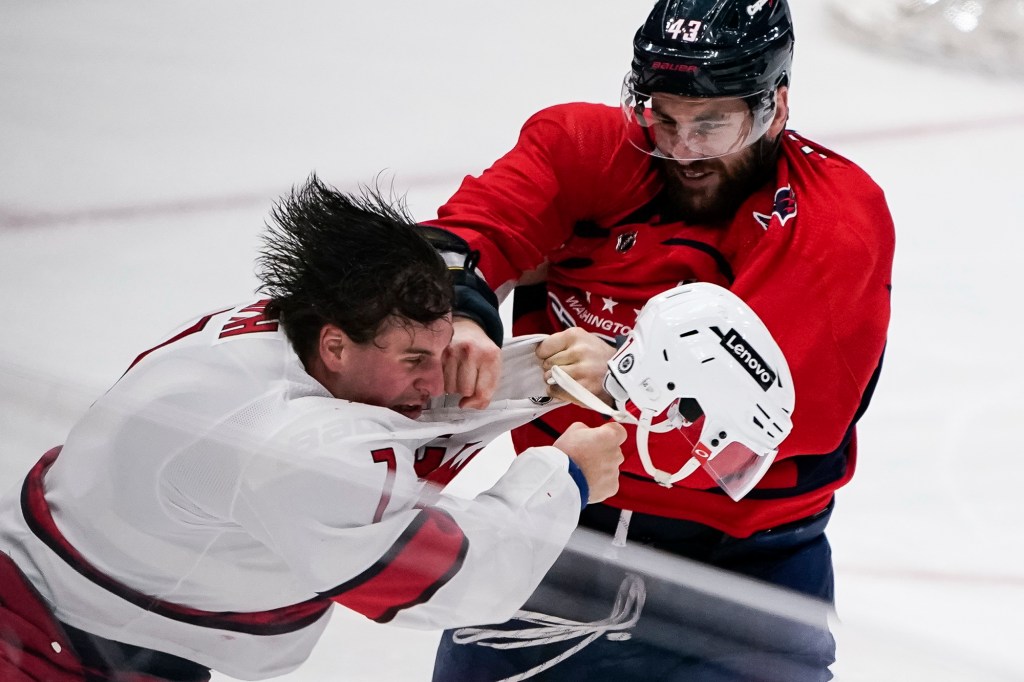
Maintaining a proper mental attitude is crucial in combat sports or fights in general, where physical skill alone is not enough to ensure success or survival. In these high-pressure environments, the mind serves as both a weapon and a shield, shaping how one responds to challenges, difficulties, adversity, and danger. A strong mental framework can mean the difference between victory and defeat, or life and death.
In combat sports, such as boxing or mixed martial arts, athletes must cultivate resilience and focus. Training the mind to remain calm under stress allows fighters to execute techniques effectively, even when fatigued or injured. Confidence, built through preparation and self-belief, enables them to face opponents without hesitation. Doubt, on the other hand, can erode performance, causing delayed reactions or missed opportunities. A positive attitude also fosters adaptability, letting fighters adjust strategies mid-match when initial plans falter. Visualization plays a key role here, as mentally rehearsing success can reinforce muscle memory and boost morale.
Beyond the ring, the mental approach shifts toward awareness and control. Staying composed prevents a haphazard mental state, which can cloud judgment and even escalate conflicts into something that is unnecessary. We try to avoid conflicts, however, when avoidance fails, decisiveness becomes essential. A prepared mindset, trained to assess threats quickly and act without second-guessing, enhances survival odds. Fear is natural, but managing it through breathing techniques or mental reframing keeps it from paralyzing action.
Whether in competition or on the street, discipline underpins the proper mental attitude. Emotional regulation, honed through practice, prevents anger or frustration from dictating choices. Respect, for oneself and others, maintains clarity and purpose. Ultimately, a balanced mind, blending determination with composure, equips individuals to navigate the chaos of combat with skill and grace.
Sources you can read more about the topic:
- Moore, B., et al. (2020). "The effect of martial arts training on mental health outcomes: A systematic review and meta-analysis." Journal of Science and Medicine in Sport, 23(5), 512-518.
- Vertonghen, J., & Theeboom, M. (2010). "The social-psychological outcomes of martial arts practice among youth: A review." Journal of Sports Science & Medicine, 9(4), 528-537.
- Lakes, K. D., & Hoyt, W. T. (2004). "Promoting self-regulation through martial arts training: A pilot study." Journal of Applied Developmental Psychology, 25(3), 283-302.
- Harwood, A., et al. (2017). "Effects of martial arts and combat sports training on anger and aggression: A systematic review." Aggression and Violent Behavior, 34, 84-95.
- Rassovsky, Y., et al. (2019). "Combat sports and the development of emotional regulation: A longitudinal study." Psychology of Sport and Exercise, 44, 60-78.