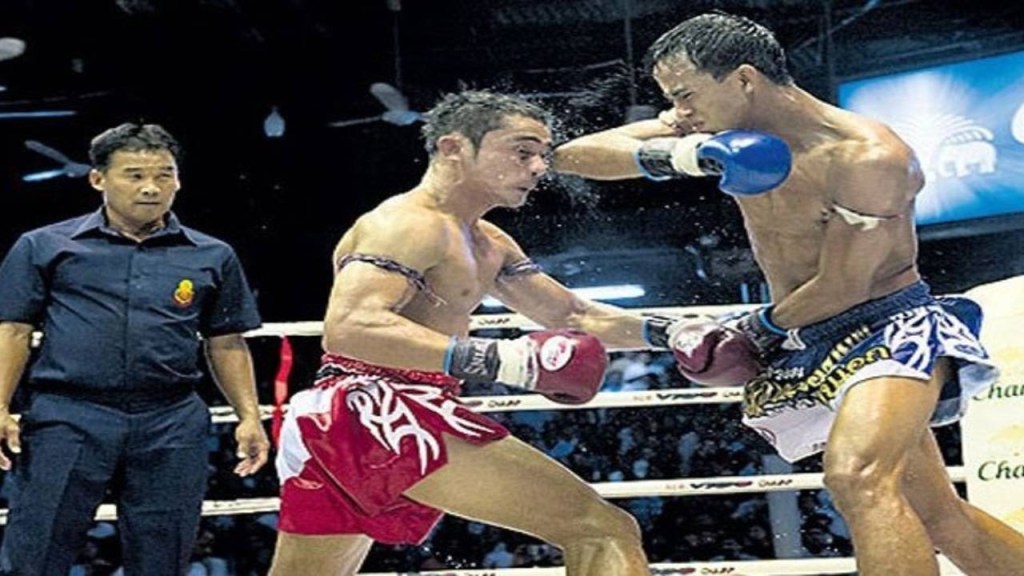

Compartmentalization of systems in a comprehensive fight training program is a flawed approach that undermines the essence of martial arts as a holistic discipline. Martial arts training thrives on integration, fluidity, and adaptability, qualities that are stifled when systems are rigidly separated into isolated components such as striking, grappling, or weapons training. By compartmentalizing, practitioners risk developing a fragmented skill set that fails to prepare them for the dynamic and unpredictable nature of real-world self-defense or competitive scenarios.
A comprehensive martial arts program should aim to cultivate well-rounded fighters who can seamlessly transition between techniques and strategies. For instance, a practitioner trained only in striking may struggle when a fight goes to the ground, just as a grappler might falter against a skilled striker at range. Real combat does not adhere to artificial boundaries; it demands versatility. Compartmentalization creates specialists who excel in one area but lack the ability to synthesize skills across domains, leaving them vulnerable in situations that require a broader repertoire.
Moreover, isolating systems hinders the development of critical attributes like timing, distance management, and situational awareness, which are best honed through integrated training. When students practice striking and grappling in tandem, they learn to anticipate transitions, adapt to shifting dynamics, and exploit openings that arise from blending techniques. For example, a well-timed takedown can set up a finishing strike, but only if the practitioner understands both systems intimately. Compartmentalized training often produces mechanical fighters who struggle to improvise under pressure, as they are conditioned to think in terms of rigid categories rather than fluid possibilities.
Another drawback is the inefficiency of compartmentalized learning. Martial arts training is time-intensive, and students benefit most from methods that maximize skill acquisition within limited hours. Integrated training allows techniques to reinforce one another—footwork from boxing can enhance grappling entries, while clinch work from wrestling can improve Muay Thai elbow strikes. By contrast, separating systems forces students to learn overlapping principles in isolation, wasting time and creating mental silos that slow progress.
Psychologically, compartmentalization can also erode confidence. A practitioner who feels proficient in one system but inadequate in another may hesitate in high-stakes situations, doubting their ability to adapt. Holistic training fosters resilience and self-assurance by exposing students to diverse challenges early on, building trust in their ability to handle complexity.
Finally, martial arts is not just about physical techniques; it’s a philosophy of unity and balance. Compartmentalizing systems contradicts this ethos, reducing a rich discipline to a collection of disconnected parts. A comprehensive program should reflect the interconnectedness of body, mind, and strategy, producing martial artists who are not only skilled but also adaptable, creative, and whole. Integration, not separation, is the path to true mastery.