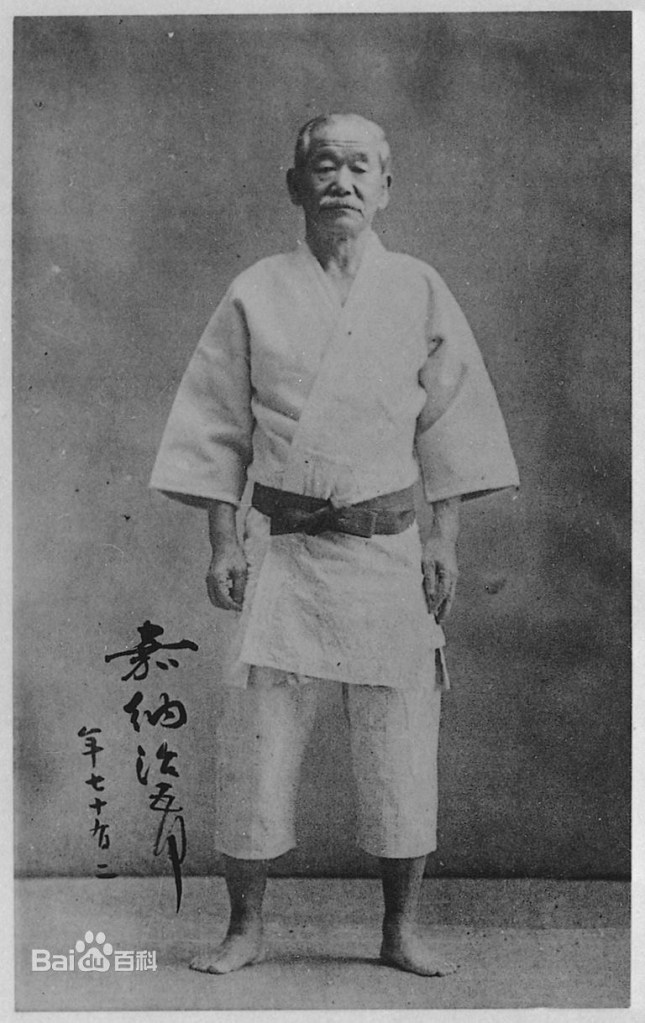
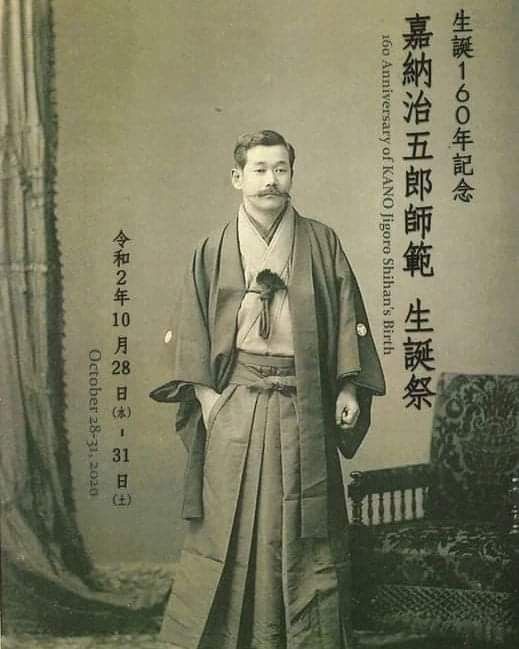
Jigoro Kano, born October 28, 1860, in Mikage, Japan, founded judo in 1882, transforming jujitsu into a discipline for personal and societal growth. Guided by seiryoku zenyo (maximum efficient use of energy) and jita kyoei (mutual prosperity for self and others), Kano envisioned judo as a tool to serve humanity. He stated, “The purpose of judo is to perfect yourself so that you can contribute to society” (Mind Over Muscle, p. 23), linking self-discipline to collective good. He elaborated, “Judo is the way of using one’s mental and physical strength in the most efficient manner, not just for oneself but for the benefit of all” (Kodokan Judo, p. 15).
Kano rejected aggression for its own sake, teaching, “Do not seek to harm others, but strive to assist them through your actions” (1922 Kodokan address). At the Kodokan, he fostered this ethos, shaping judo as a moral practice. As principal of Tokyo Higher Normal School, he championed physical education, declaring, “Through training in judo, one learns to live for the sake of the country and the world” (1915 lecture, Tokyo). His global outreach as the first Asian IOC member in 1909 reflected his belief: “Judo teaches us to look for the best possible course of action, benefiting both ourselves and others” (Judo Memoirs, p. 47).
In later years, Kano’s vision grew bolder. He asserted, “The ultimate aim of judo is to create a world where all can prosper together” (1936 interview, Asahi Shimbun), dreaming of universal harmony. He urged, “Be strong, be gentle, be useful” (1932 speech), encapsulating his ideal of compassionate strength. Kano saw judo as a lifelong commitment, saying, “To practice judo is to dedicate oneself to the progress of humanity” (Collected Writings, p. 89). He added, “The spirit of judo lies in serving others, not in dominating them” (Kano, 1930 lecture, Osaka). Even near his death in 1938, he emphasized education’s role, noting, “Train the body and mind to build a society of peace” (1937 Kodokan seminar). Kano’s legacy endures, inspiring practitioners to uplift humanity through disciplined service.
His influence persists in judo’s global community, where his words remain a beacon. He once reflected, “Judo is not merely a technique; it is a way to live for others” (Kodokan Bulletin, 1934), cementing his philosophy of mutual benefit. Through judo, Kano gifted the world a framework for personal excellence and collective prosperity.
References to Kano’s Words:
- “The purpose of judo is to perfect yourself…” – Mind Over Muscle (compiled teachings).
- “Judo is the way of using one’s mental and physical strength…” – Kodokan Judo.
- “Do not seek to harm others…” – 1922 Kodokan address (Kodokan archives).
- “Through training in judo, one learns…” – 1915 lecture, Tokyo.
- “Judo teaches us to look for the best…” – Judo Memoirs.
- “The ultimate aim of judo is to create…” – 1936 interview, Asahi Shimbun.
- “Be strong, be gentle, be useful” – 1932 speech.
- “To practice judo is to dedicate oneself…” – Collected Writings of Jigoro Kano.
- “The spirit of judo lies in serving others…” – 1930 lecture, Osaka (Kodokan records).
- “Train the body and mind to build…” – 1937 Kodokan seminar.
- “Judo is not merely a technique…” – Kodokan Bulletin, 1934.