
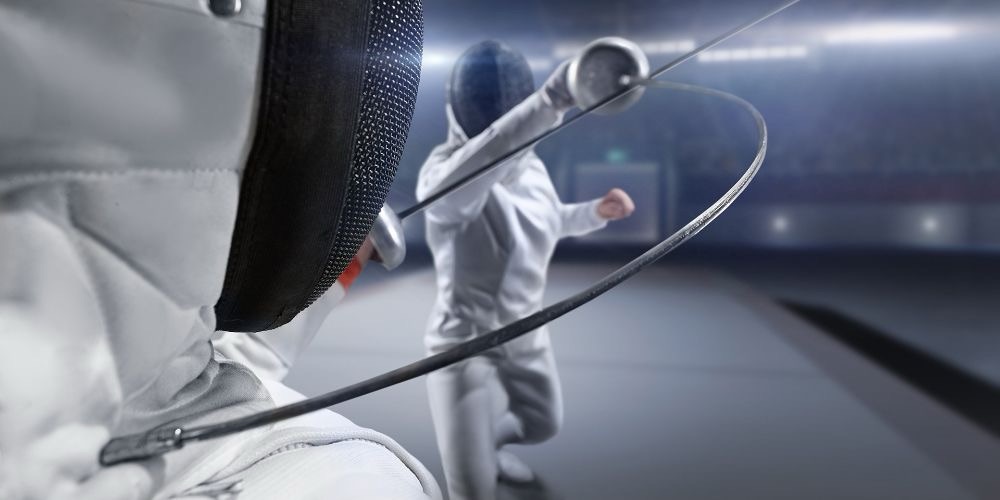
Fencing, a captivating sport of precision and strategy, traces its origins back centuries, evolving from a martial skill into a refined athletic pursuit. Often dubbed "physical chess," it combines agility, intellect, and grace, captivating participants and spectators alike. The art of fencing involves two competitors wielding one of three weapons—foil, épée, or sabre—each with distinct rules and target areas, engaging in a dynamic duel to score points by striking their opponent while evading counterattacks.
The history of fencing is deeply rooted in the traditions of swordsmanship. Emerging in Europe during the Middle Ages, it began as a form of combat training for knights and nobles. By the Renaissance, dueling became a way to settle disputes, and fencing schools flourished in Italy, Spain, and France, refining techniques still used today. The Italians pioneered a systematic approach with the rapier, while the French emphasized elegance and precision, shaping modern fencing’s foundations. By the 19th century, fencing transitioned from a deadly practice to a sport, with standardized rules established. It debuted at the first modern Olympics in 1896 and remains a staple, showcasing its enduring appeal. Notably, fencing’s influence extends beyond its own domain, serving as a foundational element in the development of Jeet Kune Do, the martial art created by Bruce Lee. Alongside Wing Chun and other systems, Lee drew heavily from fencing’s footwork, timing, and concepts of distance and interception, adapting them into his innovative, fluid fighting philosophy.
Fencing develops a remarkable array of skills, both physical and mental. Physically, it demands speed, coordination, and endurance. Fencers must execute rapid lunges, parries, and ripostes, requiring exceptional reflexes and muscular control. Footwork is critical, as athletes maneuver across the piste—a narrow strip—maintaining balance and distance. Mentally, fencing sharpens focus, tactical thinking, and adaptability. Competitors must anticipate their opponent’s moves, devise strategies on the fly, and remain composed under pressure. The sport fosters discipline and patience, as mastery requires years of practice to perfect technique and timing.
Beyond physical and cognitive benefits, fencing cultivates character. It instills respect—for opponents, referees, and the rules—reflecting its noble heritage. The one-on-one nature of bouts builds confidence and resilience, teaching fencers to handle victory and defeat with dignity. Today, fencing thrives globally, from competitive clubs to elite championships, appealing to diverse ages and backgrounds. Its blend of tradition and athleticism, and its impact on arts like Jeet Kune Do, continue to inspire, offering a unique arena where history, skill, and personal growth intersect. Whether for sport or self-improvement, fencing remains a timeless art, challenging body and mind in equal measure.