
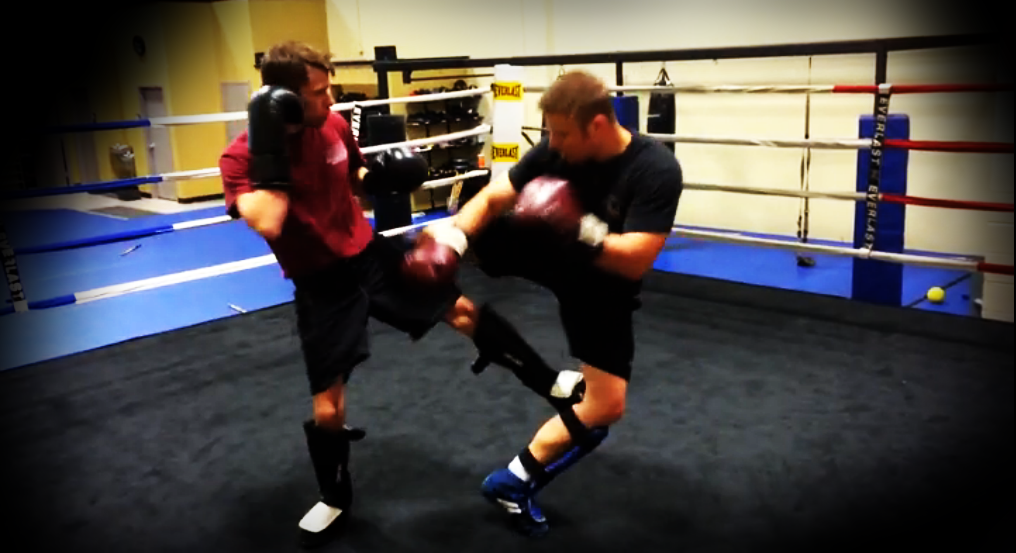
Few may realize the contributions that the fighting art of Savate have provided in the art of Jeet Kune Do. I don't think Jeet Kune Do would have been as [slick and clever], if Savate had not been discovered and adopted. It's not just what Savate as a fighting art is, but its strategic usefulness in Jeet Kune Do to be able to weave and tie both long range and close quarter kicking and boxing arts; and even more importantly----facilitating an efficient bridge between Wing Chun hand-trapping and Savate's devastating kicks---both separately and simultaneously.
Savate is simply effective, fun, healthy, and progressive, both in terms of its philosophy and real application. It is what I call, a very elastic (applicable in long and close quarter range) system. Its elasticity, even contributes greatly to other martial art systems that you may be studying. Its sister counterparts, namely Wing Chun and Kali do have a very direct and complimentary roles with this beautiful and effective system. The art is like a perfect catalyst for synergy in both long and close quarter combat. I have been fortunate to see, and move with master Savatist, Daniel Duby. Fighting with a real Savate practitioner is like fighting an unpredictable person with an ice-pick and a bow & arrow at the same time. I highly recommend gaining experience in this wonderful system. To put it in a nutshell, Jeet Kune Do owes a lot of respect to the contributions that Savate has provided in the progress and evolution of our Art.
-SHAHRAM MOOSAVI