
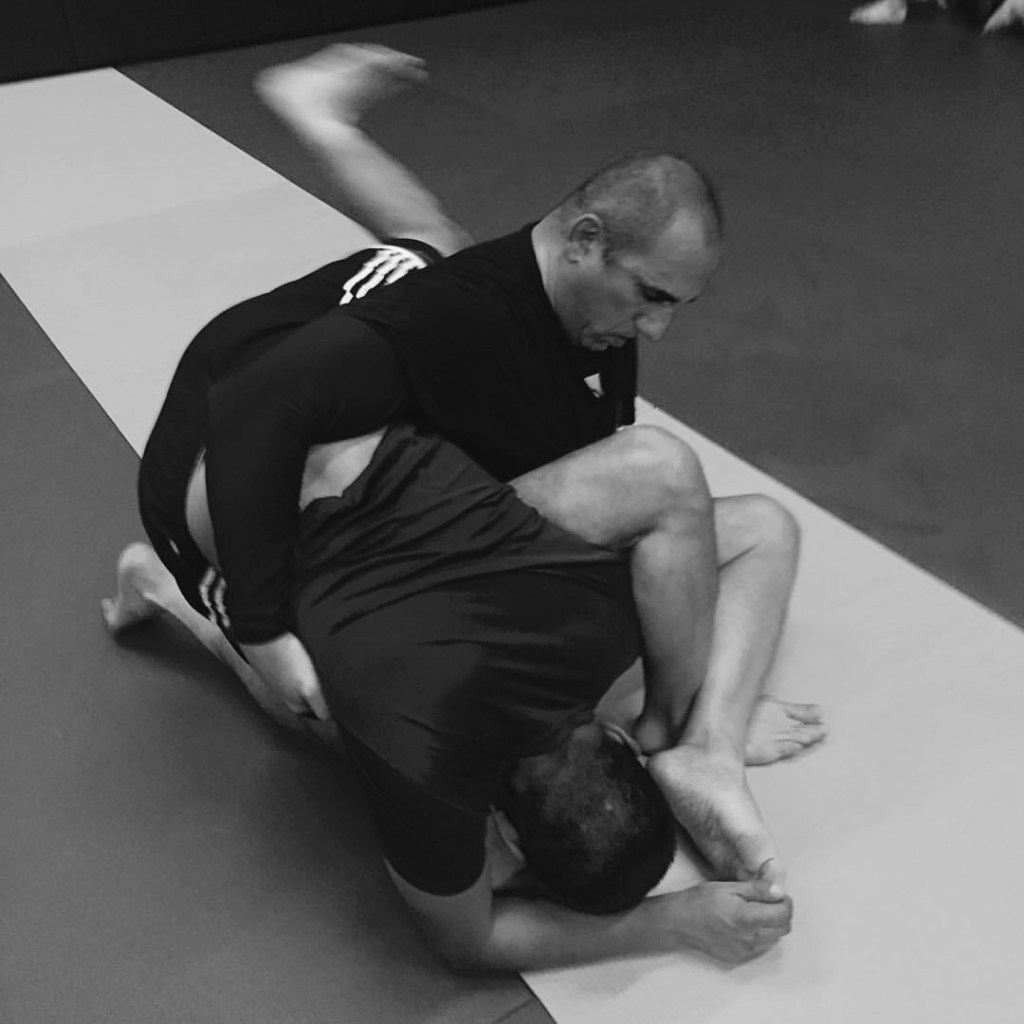
Two major elements of Jiu-Jitsu are position and control. Most enthusiastic beginners do not have these two components, and therefore, they cannot understand what we mean by position and control. Thus, naturally or instinctively, they rely on raw speed to accomplish the techniques they have learned. This mental state and the atmosphere it creates, simply delays the learning process, overlooks the essential details, develops bad habits, wastes useful energy, derails the Jiu-Jitsu’s fundamental philosophy, and increases the frequency of injuries in training. The fact is that the more developed your positioning and controls are, the less you would need to rely on raw speed.
I am not suggesting that speed is bad, but what I am saying is that it’s the last attribute you want to worry about. If you have a submission and you blow through it with speed and sloppiness, most likely, you would injure your partner and further reinforce your own technique-incompetency.
You should first focus a big portion of your energy on positioning and control through a slow and methodical learning process. This way, you are allowing your kinesthetic perception of the movements and their cause and effects solidify and instill a good quality learning experience.
Lastly, most of your focus should be on yourself, as if you are watching a movie, the actors of which are your own feet, legs, hips, torso, neck and head. Other actors while rolling with your partners are your own mental, emotional, and psychological states as they are responding to a specific set of movements and pressures on the mat.
It is safe to say that one hour of training like this, is far better than five months of mindless rolling. Again, if you have an impeccable positioning and control, then raw speed begins to dissolve itself.